- Jun 02 Sat 2012 19:30
-
[Movie] Mona Lisa Smile--Short film
- Jun 02 Sat 2012 10:41
-
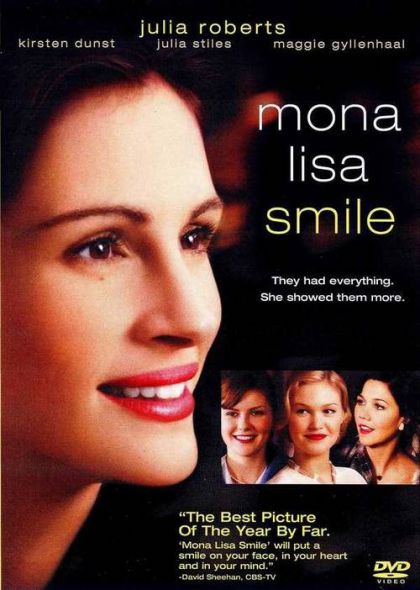
[Movie] Mona Lisa Smile--Introduction & Characters
- Jun 02 Sat 2012 10:39
-
[Movie] Mona Lisa Smile--Plot Summary
Plot Summary
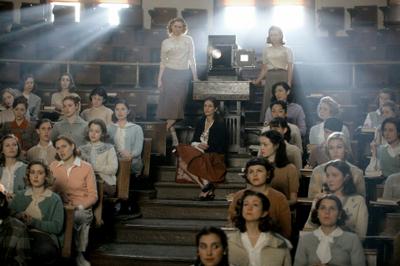
In 1953, Katherine Ann Watson takes a position teaching "History of Art" at Wellesley College, a conservative women's private liberal arts college because she wants to make a difference and influence the next generation of women. At her first class, Katherine discovers that the girls have already memorized the entire syllabus from the textbook. Therefore, she uses the classes to introduce them to Modern Art and encourages spirited classroom discussions about topics such as what makes good art and what the Mona Lisa's smile means. This brings her into conflict with the conservative president of Wellesley College who warns Katherine to stick to the syllabus, or she will lose her job. Katherine comes to know many of the students in her class well and seeks to inspire them to seek more than marriage to eligible young men.
- Jun 02 Sat 2012 09:51
-
[Movie] Mona Lisa Smile--Movie Review
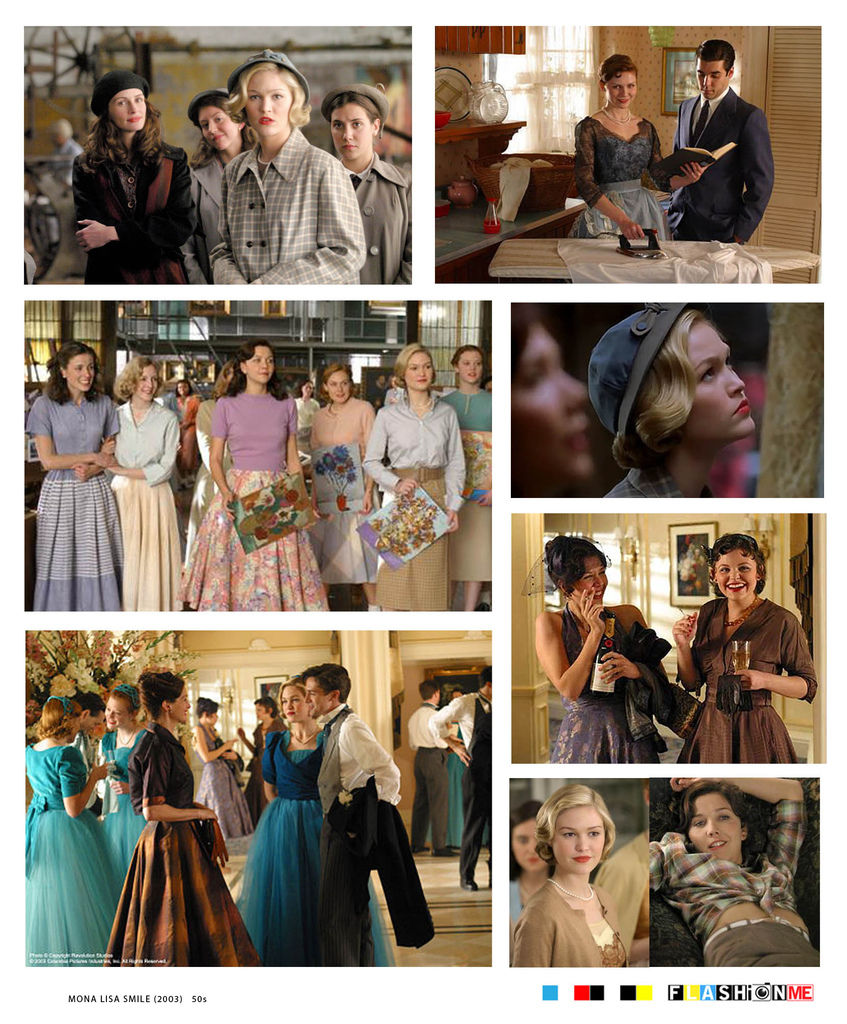
Throughout the entire film, Katherine Watson contends with the theoretical adversaries of social convention and antiquated values. When she giving her lectures, she discovers her students thinking whatever anyone tells them to think, be it a textbook or society. She challenges her students through popular media advertisements to consider what future generations will think of what these women have made of themselves. Also, she denies through her own personal life that marriage, motherhood and home are honorable things to give your life to, and this is the bottom line of what she communicates to her students—following the traditional roles and simply doing what someone else tells you to do are not only restrictive, but also deny a woman her individual identity and personal fulfillment.
When Betty writes an editorial to attack Katherine, Katherine projects a series of images of American magazine advertising from the 1950s depicting women as appendages to men, children, homes and appliances. She includes a girdle advert that paradoxically restricts the body while promising freedom. In other words, she asks the students to consider if they are willing to conform to these dominant media stereotypes. It is also worth waiting to view the film’s final credits because they include a montage of clips from American television advertising and newsreels illustrating the restricted domestic role of women following World War II, when many had done men’s jobs in wartime factories.
1
