- Jan 04 Fri 2013 14:49
-
IHTTI瑞士飯店管理學院來台說明會
- Jun 04 Mon 2012 01:16
-
[Literature Review] The Feminine Mystique
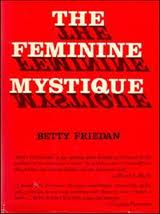
The Feminine Mystique
The Feminine Mystique is a nonfiction book by Betty Friedan first published in 1963. It is widely credited with sparking the beginning of second-wave feminism in the United States.
In 1957, Friedan was asked to conduct a survey of her former Smith College classmates for their 15th anniversary reunion; the results, in which she found that many of them were unhappy with their lives as housewives, prompted her to begin research for The Feminine Mystique, conducting interviews with other suburban housewives, as well as researching psychology, media, and advertising. She originally intended to publish an article on the topic, not a book, but no magazine would publish her article.
Synopsis
The Feminine Mystique begins with an introduction describing what Friedan called "the problem that has no name"—the widespread unhappiness of women in the 1950s and early 1960s. It discusses the lives of several housewives from around the United States who were unhappy despite living in material comfort and being happily married with fine children.
- Jun 03 Sun 2012 23:45
-
Job Description
- Jun 03 Sun 2012 22:25
-
[Movie] Eat Pray Love—Introduction & Characters
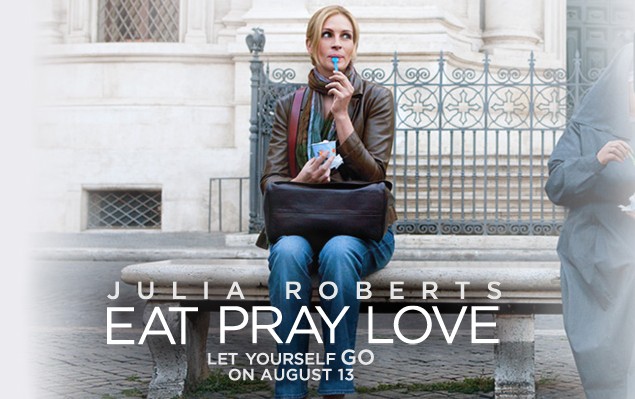
INTRODUCTION
Liz Gilbert (Roberts) had everything a modern woman is supposed to dream of having - a husband, a house, a successful career - yet like so many others, she found herself lost, confused, and searching for what she really wanted in life. Newly divorced and at a crossroads, Gilbert steps out of her comfort zone, risking everything to change her life, embarking on a journey around the world that becomes a quest for self-discovery. In her travels, she discovers the true pleasure of nourishment by eating in Italy; the power of prayer in India, and, finally and unexpectedly, the inner peace and balance of true love in Bali. Written by Sony Pictures
AUTHOR
Elizabeth Gilbert
MAIN CHARACTERS
- Jun 03 Sun 2012 22:23
-
[Movie] Eat Pray Love—Plot Summary

Around the time Elizabeth Gilbert turned thirty, she went through an early-onslaught midlife crisis. She had everything an educated, ambitious American woman was supposed to want—a husband, a house, a successful career. But instead of feeling happy and fulfilled, she was consumed with panic, grief, and confusion. She went through a divorce, a crushing depression, another failed love, and the eradication of everything she ever thought she was supposed to be.
To recover from all this, Gilbert took a radical step. In order to give herself the time and space to find out who she really was and what she really wanted, she got rid of her belongings, quit her job, and undertook a yearlong journey around the world—all alone. Eat, Pray, Love is the absorbing chronicle of that year. Her aim was to visit three places where she could examine one aspect of her own nature set against the backdrop of a culture that has traditionally done that one thing very well. In Rome, she studied the art of pleasure, learning to speak Italian and gaining the twenty-three happiest pounds of her life. India was for the art of devotion, and with the help of a native guru and a surprisingly wise cowboy from Texas, she embarked on four uninterrupted months of spiritual exploration. In Bali, she studied the art of balance between worldly enjoyment and divine transcendence. She became the pupil of an elderly medicine man and also fell in love the best way—unexpectedly.
An intensely articulate and moving memoir of self-discovery, Eat, Pray, Love is about what can happen when you claim responsibility for your own contentment and stop trying to live in imitation of society’s ideals. It is certain to touch anyone who has ever woken up to the unrelenting need for change.
- Jun 03 Sun 2012 22:00
-
[Movie] Eat Pray Love—Movie Reviews
The New York Times Movie Review
Globe-Trotting and Soul-Searching /By A. O. SCOTT
Published: August 12, 2010
The double standard in Hollywood may be stronger than ever. Men are free to pursue all kinds of adventures, while women are expected to pursue men. In a typical big-studio romantic comedy the heroine’s professional ambition may not always be an insurmountable obstacle to matrimony, but her true fulfillment — not just her presumed happiness but also the completion of her identity — will come only at the altar.
This paradigm is, of course, much older than the movies, but it can be refreshing, now and then, to see something different in the multiplex: a movie that takes seriously (or for that matter has fun with) a woman’s autonomy, her creativity, her desire for something other than a mate.
- Jun 03 Sun 2012 10:23
-
[Movie] Thelma and Louise--Characters

Characters
Louise Sawyer--Susan Sarandon
Thelma Dickinson--Geena Davis
Michael Madsen--Jimmy
Christopher McDonald--Darryl
- Jun 03 Sun 2012 01:41
-
[Literature Review] Short Clip of The Introduction of “The Feminine Mystique“
- Jun 02 Sat 2012 21:13
-
[Movie] Thelma and Louise--Plot Summary
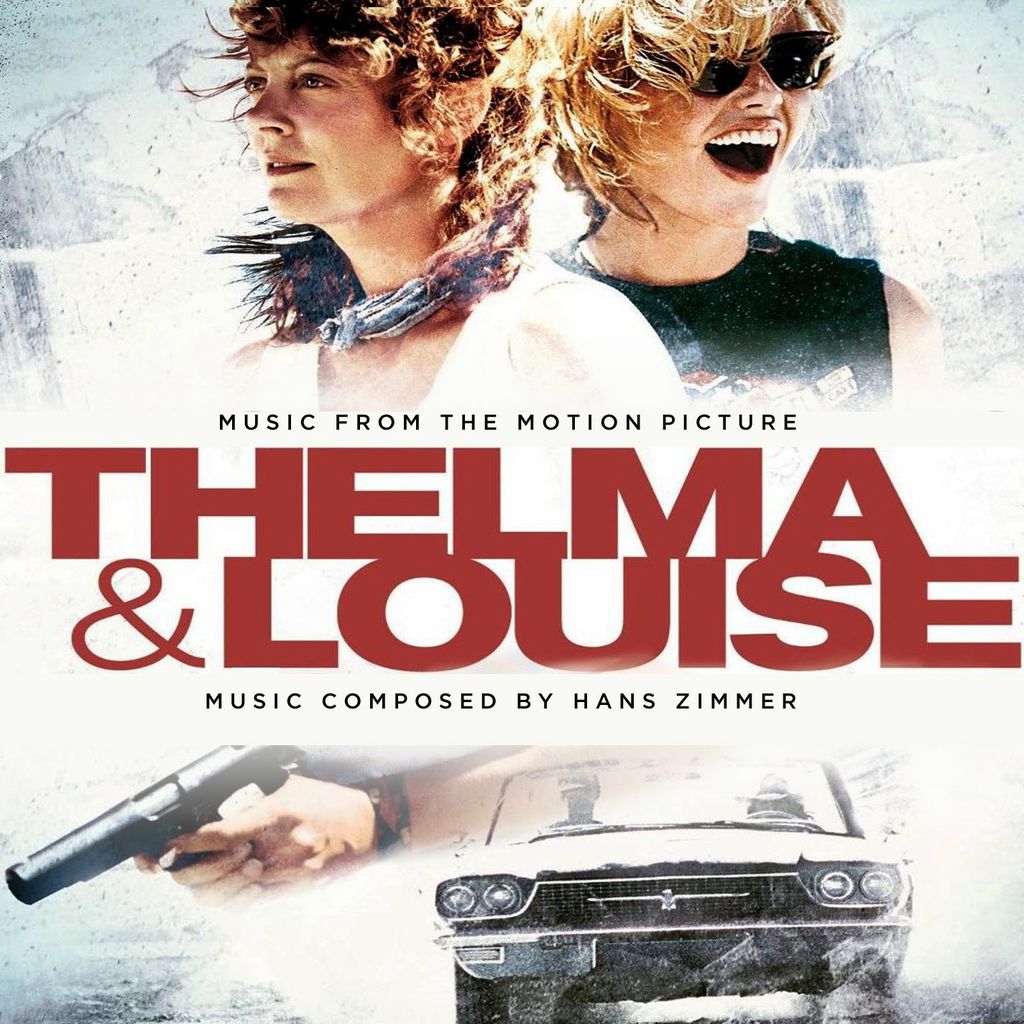
Thelma and Louise are best friends living in a small town in Arkansas. Both seem to be living somewhat depressing working class lives. Thelma is an unloved housewife of a sexist and obnoxious husband, while Louise is a struggling waitress whose boyfriend seems unready to finally commit to a long-term relationship with her.
One day, in order to get away from their unhappy lives, they decide to leave town for a weekend vacation together. While on the road, they stop in another small town in order to get some drinks at a local bar. Unfortunately, Thelma decides to dance with a man who later tries to rape her. Ultimately, Louise ends up shooting this man. The two women suddenly find themselves in a lot of trouble, which make them unable to enjoy the vacation they had intended to have.
The rest of the film follows Thelma and Louise as they head out on the road, far from their hometown, and escape from the police, who may be looking for them. They soon decide to drive to Mexico, but on the way, they continue to dig themselves deeper into trouble with the law, and eventually, both of them realize that they can never go back to the lives they had before.
Reference: http://www.eslnotes.com/movies/pdf/thelma-and-louise.pdf
- Jun 02 Sat 2012 20:20
-
Work Cited (MLA Style)
Chopin, Kate. The Awakening. Trans. 楊瑛美. 女書文化事業有限公司, 1996. Print.
Friedan, Betty. The Feminine Mystique. New York: Dell Publishing Co., 1963. Print.
Friedan, Betty. The Feminine Mystique. Trans. 李令儀. 月旦出版社股份有限公司, 1995. Print.
Koloski, Berbard, ed. Approaches to Teaching Chopin's The Awakening. New York: The Modern Language Association of America, 1988. Print.
Mona Lisa Smile. Dir. Mike Newell. Perf. Julia Roberts, Kirsten Dunst, and Julia Stiles. Sony, 2003. Film.
- Jun 02 Sat 2012 19:30
-
[Movie] Mona Lisa Smile--Short film
Reference:
- Jun 02 Sat 2012 17:26
-
[Short story] The Awakening
The Awakening – Kate Chopin
Kate Chopin
Kate Chopin was born Katherine O'Flaherty in St. Louis, Missouri. She was the daughter of Thomas O'Flaherty, a successful businessman who had emigrated from Galway, Ireland. Her mother, Eliza Faris, was a well-connected member of the French community in St. Louis. In 1870, at the age of 20, she married Oscar Chopin and settled in New Orleans.
“By the early 1890s, Kate Chopin was writing short stories, articles, and translations which appeared in periodicals, including the St. Louis Post-Dispatch. She was quite successful and placed many of her publications in literary magazines. But she became known only as a regional local color writer and her literary qualities were overlooked.
In 1899, her second novel, The Awakening, was published, and the book was criticized because of its moral as well as its literary standards. This, her best-known work, is the story of a woman trapped in the confines of an oppressive society. Out of print for several decades, it is now widely available and critically acclaimed for its writing quality and importance as an early feminist work.
